


IgG class antibodies to herpes simplex virus types 1 and 2 (Anti-HSV-1, 2 IgG)
3 clinics8 branches
Best available price
From 57 000 sumClinics and prices
Clinics by lowest price
Shoxmed Center
6 branches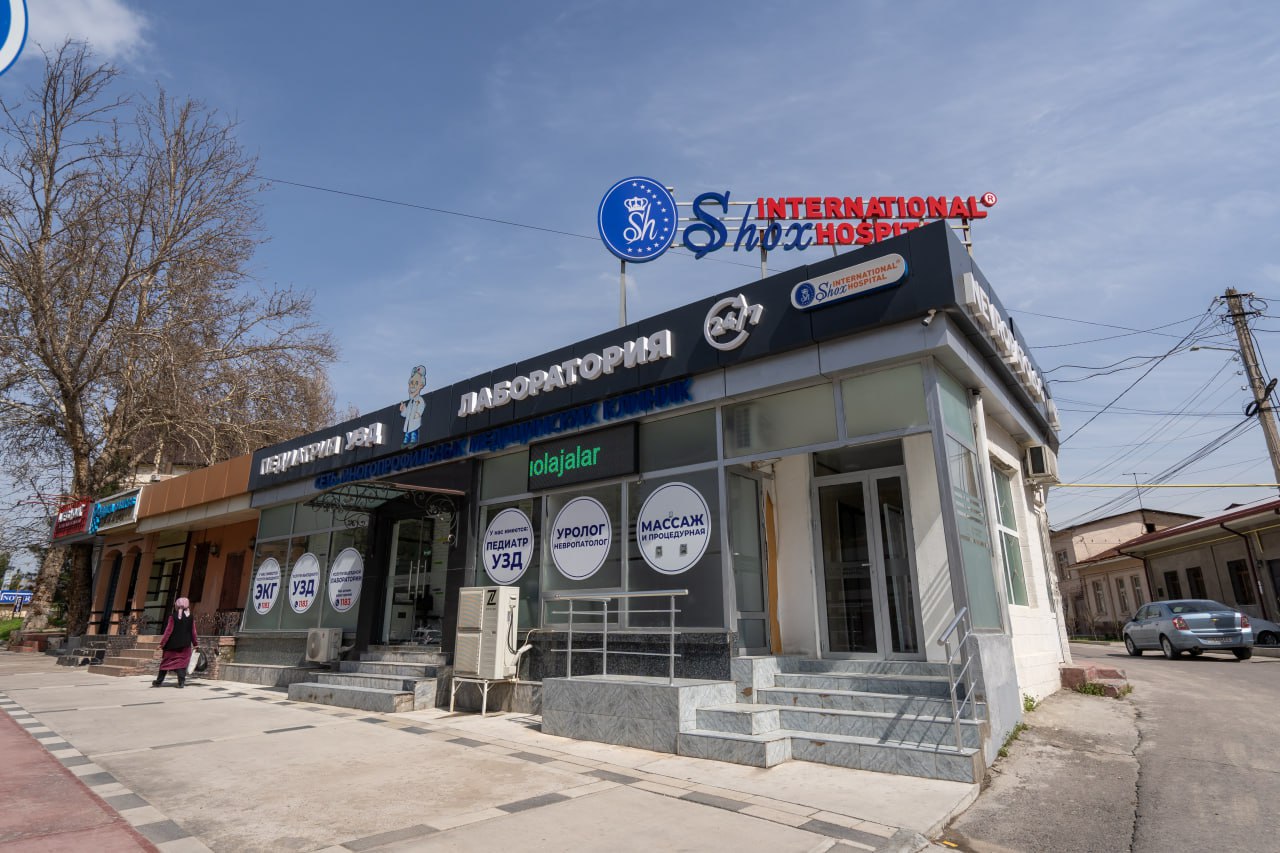
Shox Med Pediatrics
26/2, 4th Khushnavo Passage

Shox Med Center
34 Oybek Street
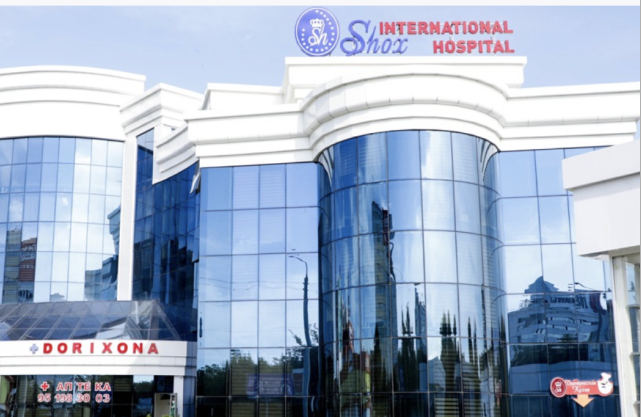
Shox International Hospital
70A Kichik Halqa Yo‘li
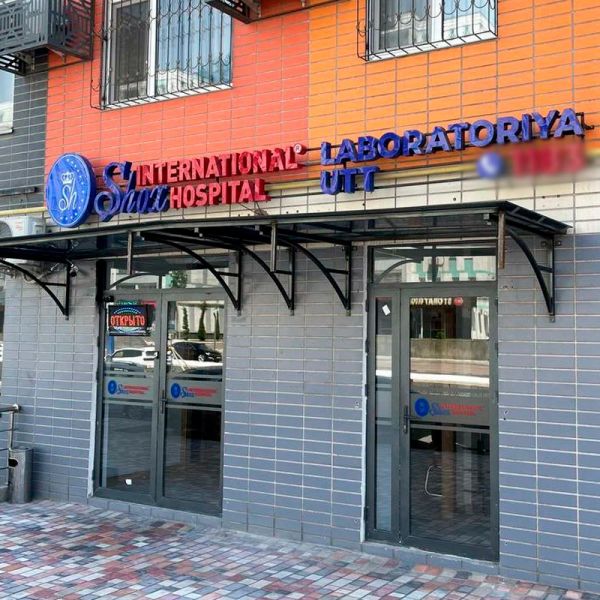
Shox Med — Maxtumquli Branch
136 Maxtumquli Street
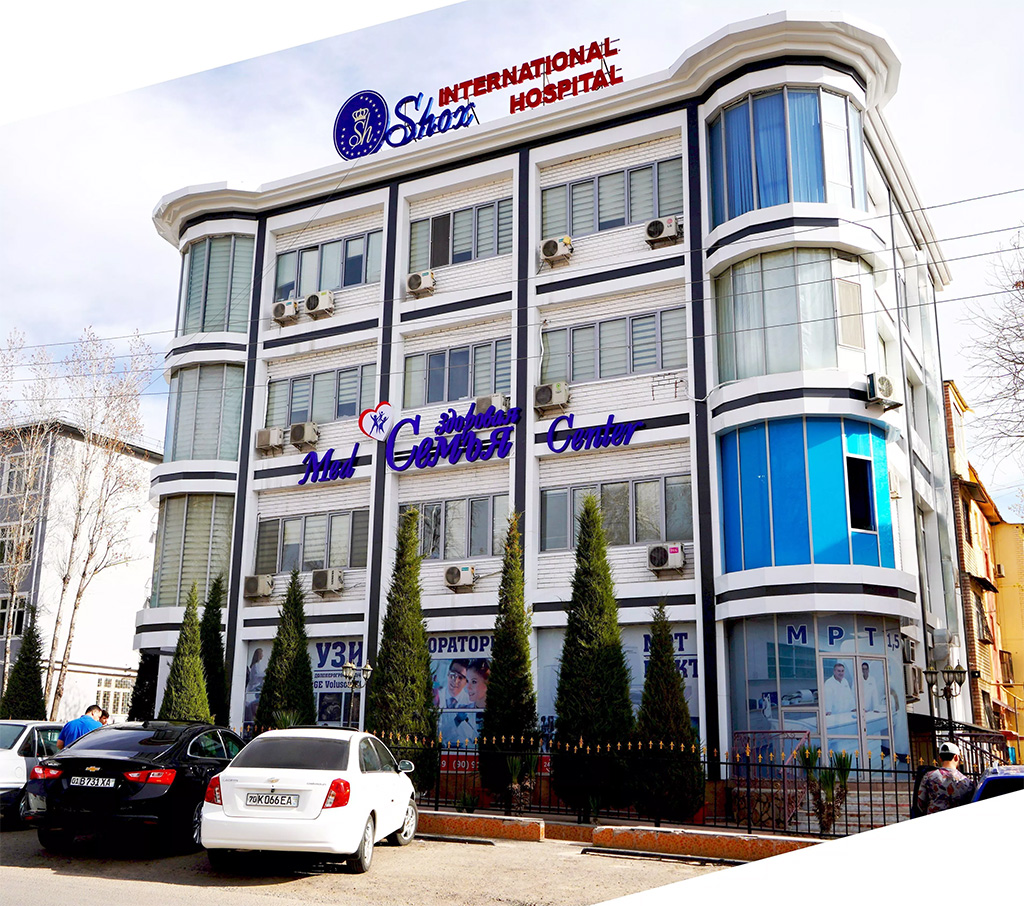
Shox Med — Healthy Family Center
31A Maqsud Shayxzoda Street
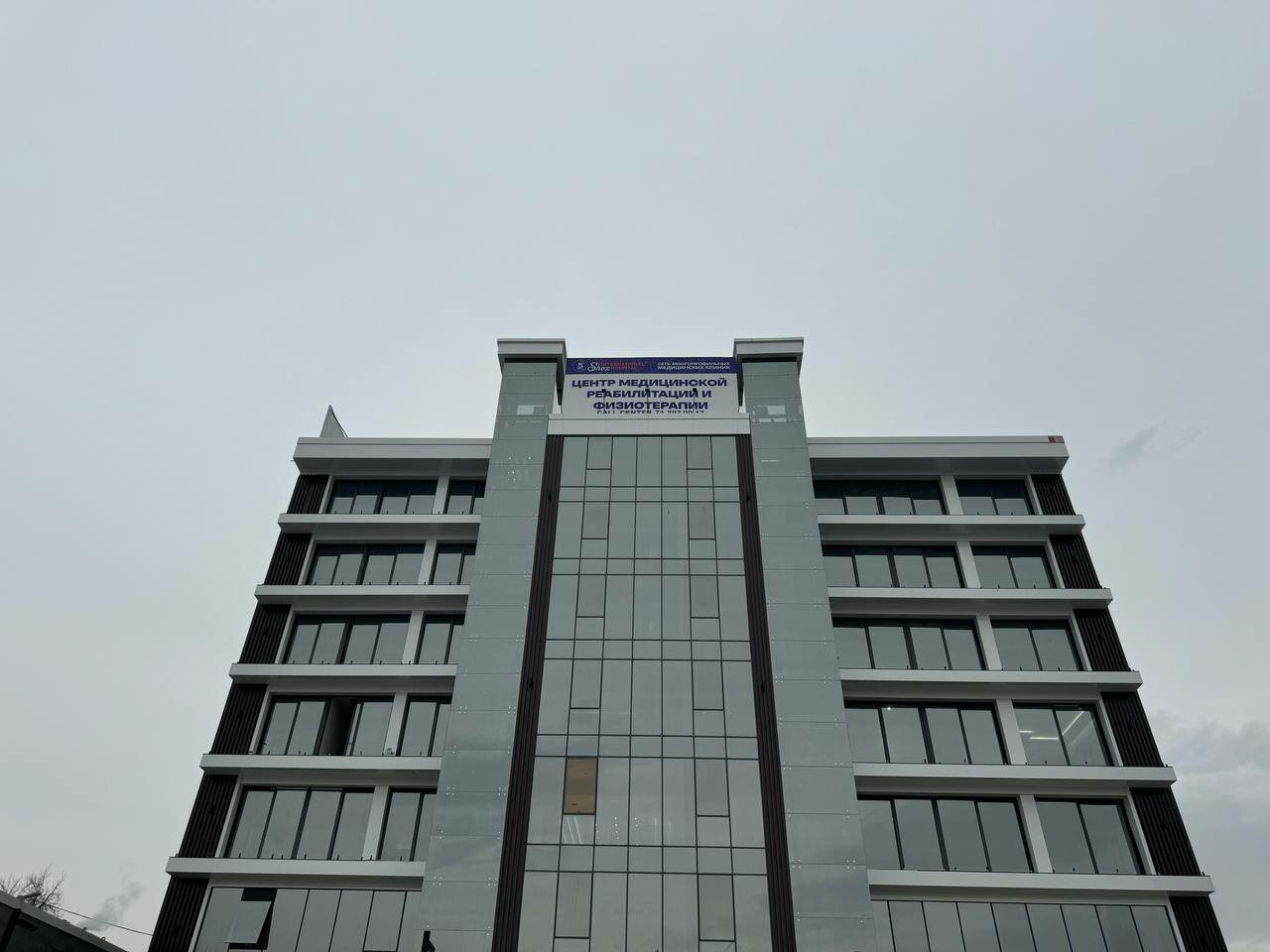
Shox Rehabilitation Center
Junariq Mahalla, 9th Choshtepa Passage, 110

Milliy Tibbiyot Markazi
103 Maxtumquli Street
5.01 reviewOther tariffs (3)
- Non-resident: 200 000 sum
- Order: 200 000 sum
- Emergency assistance: 200 000 sum
Prices are based on current information supplied by clinics and may be updated.
Medical information
Description
Herpesviruses are a large family of DNA-containing viruses that cause a variety of diseases. A distinctive feature of viruses of this family is the presence of the virus in cells latently, persisting for a long time, without clinical manifestations. There are eight known types of human herpes viruses that cause different severity of the disease process. Herpes simplex viruses of the first (HSV-1) and second (HSV-2) types enter the body through mucous membranes (usually the "entrance gate" for HSV-1 is the mucous membranes of the oral cavity and nasopharynx, for HSV–2 - the mucous membranes of the genitals). The clinical manifestations of herpes infection and the course of the disease depend on the localization of the process, the age of the patient, the immune status and the antigenic variant of the virus. Infection caused by the herpes simplex virus is included in the group of reproductively significant infections designated as the TORCH complex. Primary herpes infection and reactivation of infection (to a much lesser extent) during pregnancy can cause pregnancy pathology, intrauterine infection of the fetus or infection of the child during childbirth. Genital herpes is the most common erosive and ulcerative disease of the genitals. Genital herpes is caused by both HSV type 2 and HSV type 1, but the frequency of detection of HSV type 2 in this pathology is significantly higher. Despite the fact that both types of HSV can cause similar clinical manifestations, their differential diagnosis is of great importance in a number of clinical situations. Herpes simplex virus type 2 appears to be associated with an increased risk of cervical and vaginal cancer and increases susceptibility to HIV infection. In response to the introduction of HSV in the body, the production of specific class M immunoglobulins (IgM) begins. They can be detected in the blood on the 4th-6th day after infection. They reach their maximum value on 15-20 days, they do not last long in the body (1-2 months). Specific IgGs usually appear 10-14 days after the penetration of the herpes simplex virus into the body and persist for a long time and for life (seropositivity). They do not provide sterile immunity and stable protection against reactivation of infection. Anti-HSV IgG is more likely to be a marker of infection of the body with the herpes simplex virus than an indicator of persistent immunity to it. Their presence in the blood is noted in the vast majority of the population. The absence of anti-HSV IgG indicates the absence of infection with herpes simplex virus types 1 and 2 in the past and the potential risk of primary infection in the future (important for pregnant women, people with other types of immunodeficiency). Recurrent herpes usually occurs against the background of high IgG levels. The diagnostic value in primary infection with the herpes simplex virus is the detection of IgM and / or a fourfold increase in the level of specific IgG in paired blood sera obtained from the patient with an interval of two weeks. For what purpose are IgG class antibodies to herpes simplex virus types 1 and 2 determined The detection of class G antibodies to herpes simplex virus types 1 and 2 in the blood allows us to judge the previous or current infection. The study helps to clarify the features of the pathogenesis of the disease, to develop methods of prevention, therapy programs and prevention of relapses.
Preparation
No special training is required. It is recommended to take blood no earlier than 4 hours after the last meal.
When it is used
In which cases are IgG class antibodies to herpes simplex virus types 1 and 2 analyzed: pregnancy planning (the study is recommended for both partners); signs of intrauterine infection, fetoplacental insufficiency; HIV infection; immunodeficiency conditions; differential diagnosis of urogenital infections; vesicular herpetiform rashes.