


Milliy Tibbiyot Markazi
103 Maxtumquli Street
5.01 reviewOther tariffs (3)
- Non-resident: 51 000 sum
- Order: 33 580 sum
- Emergency assistance: 33 580 sum
Best available price
From 32 300 sumClinics by lowest price
103 Maxtumquli Street
5.01 review
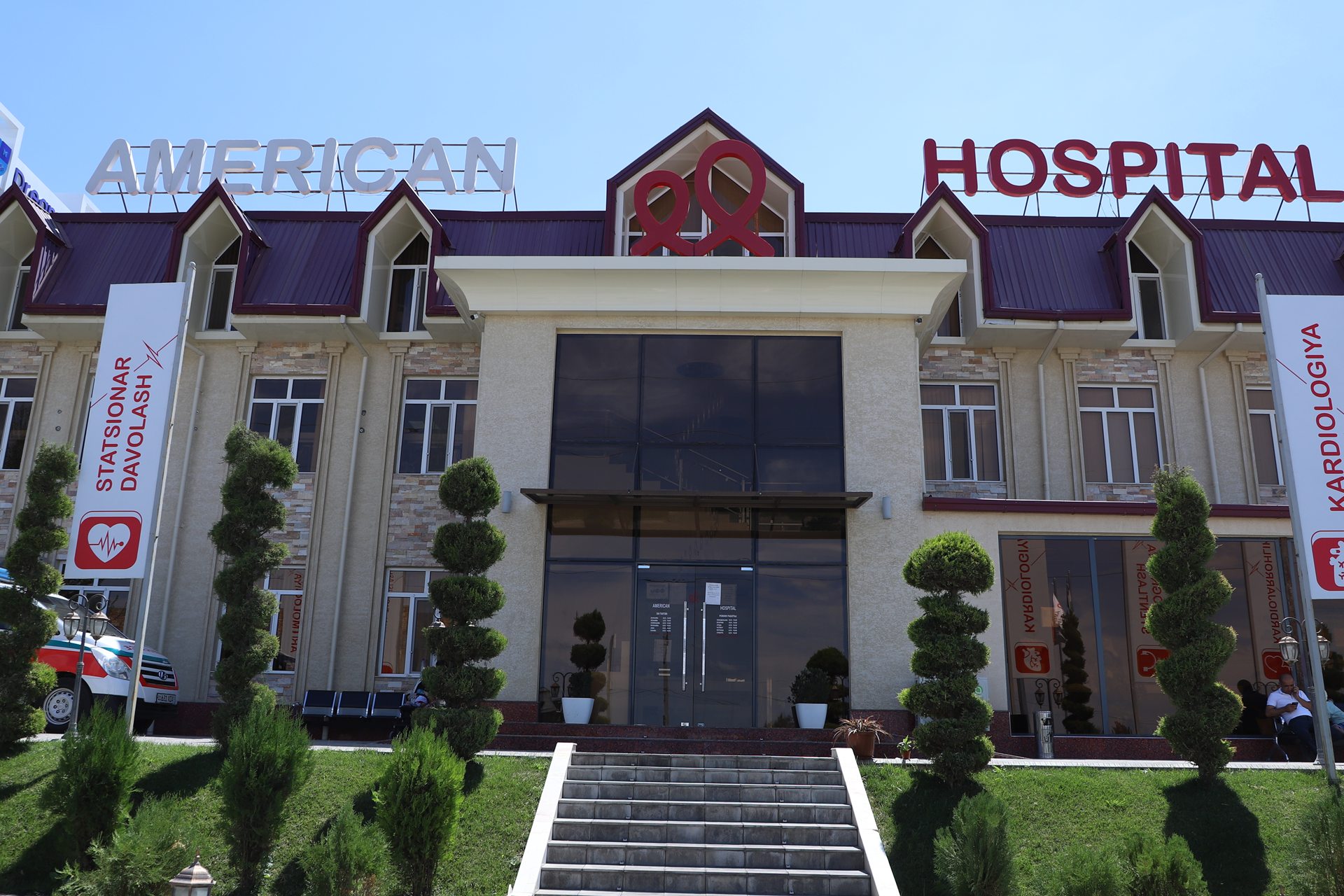
American Hospital
14 Iqbol Street, Iqbol MFY, Choshtepa QFY
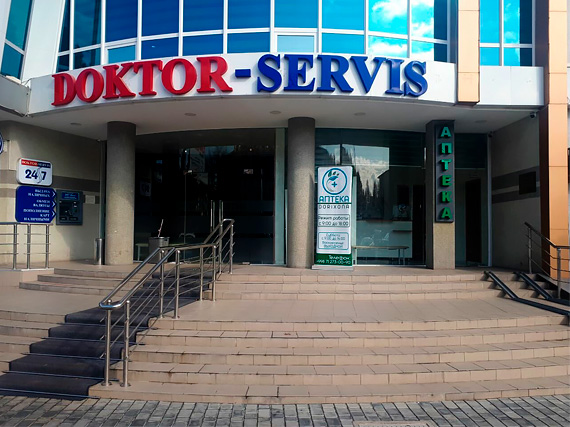
Doktor Service
182 Muqimiy Street
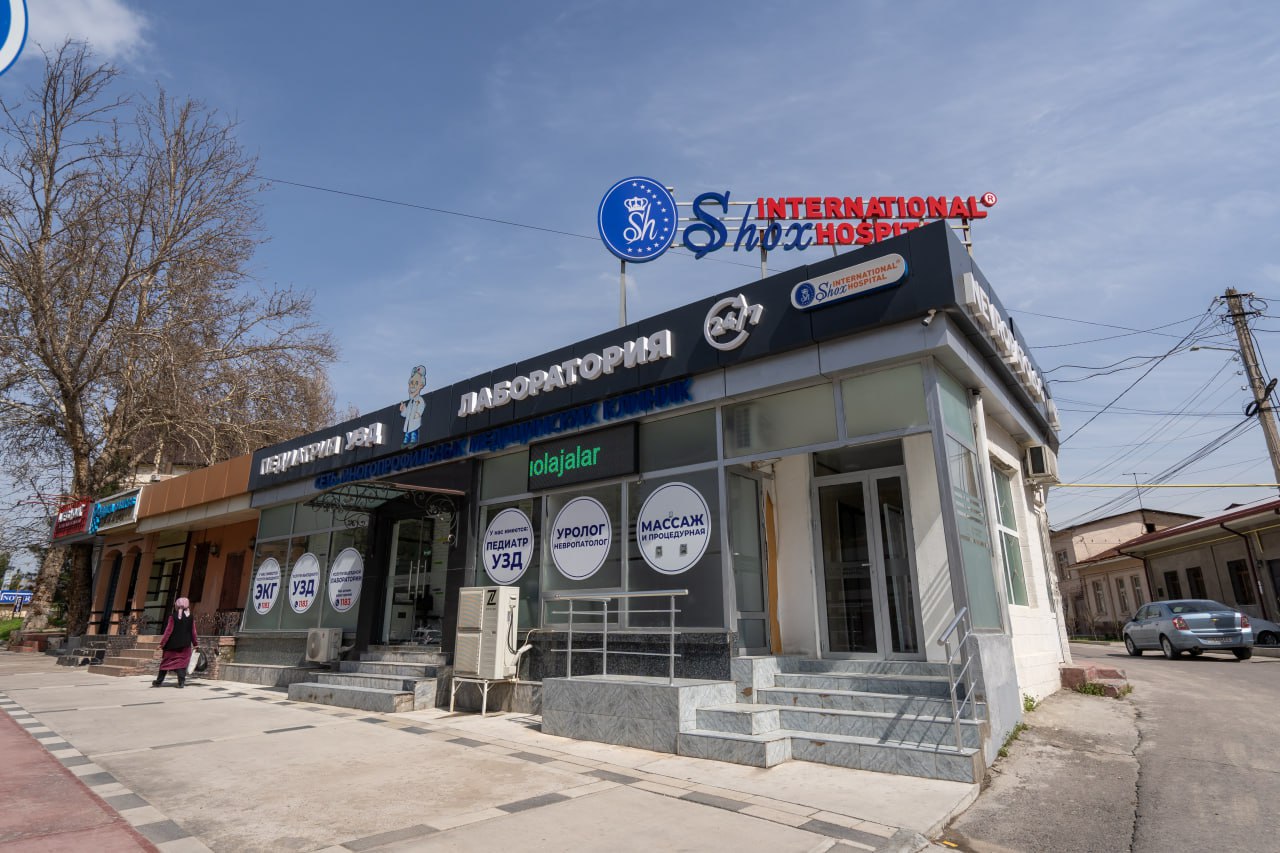
26/2, 4th Khushnavo Passage
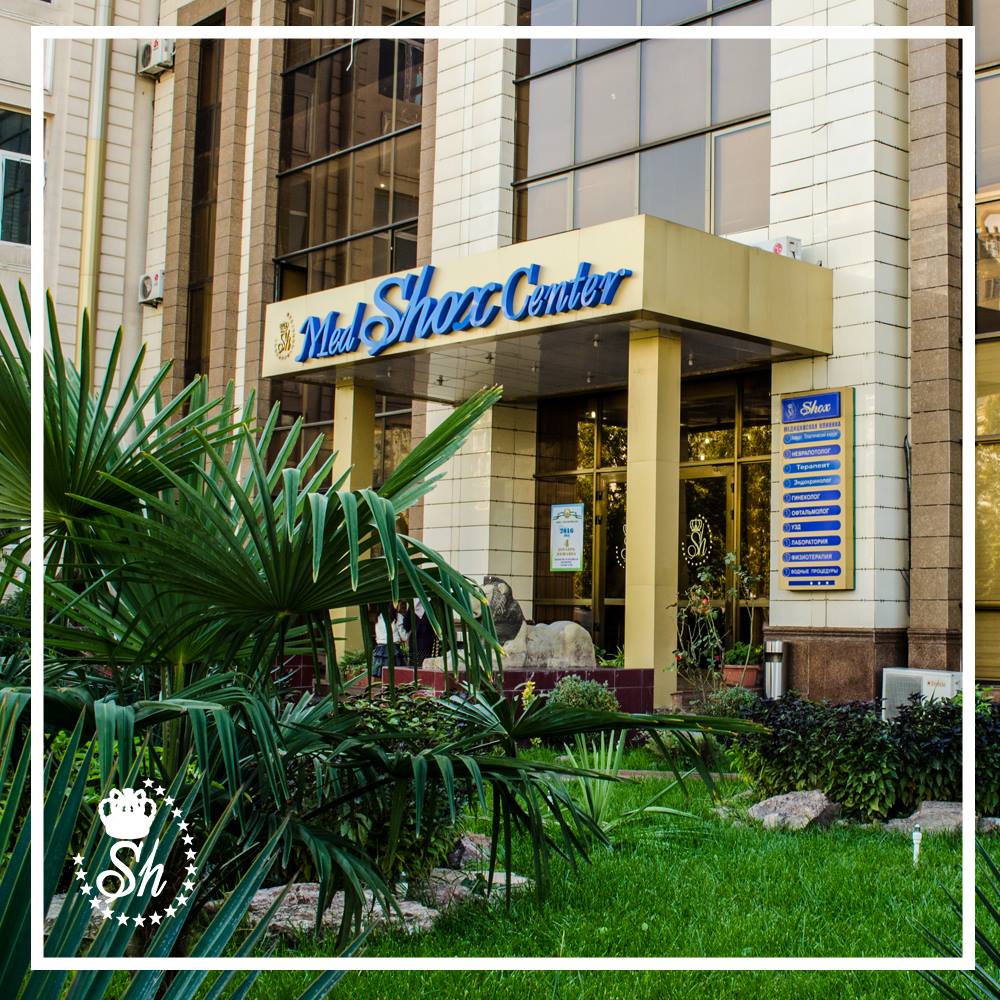
34 Oybek Street
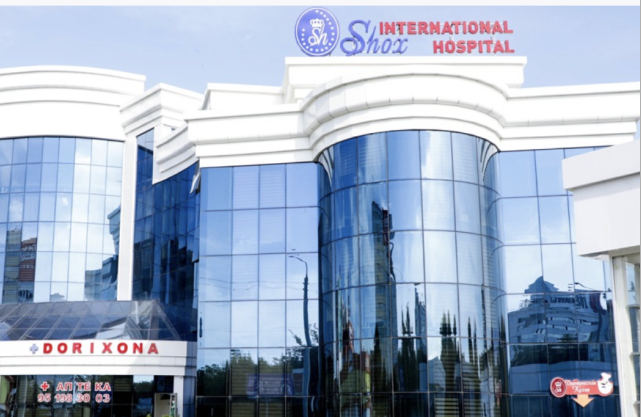
70A Kichik Halqa Yo‘li
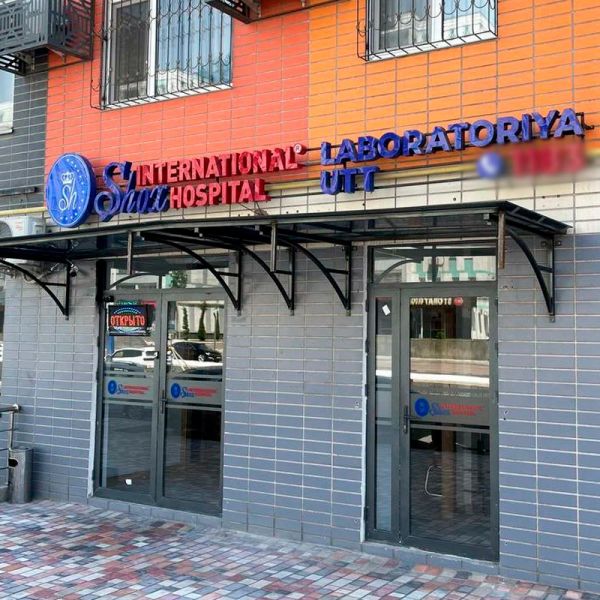
136 Maxtumquli Street
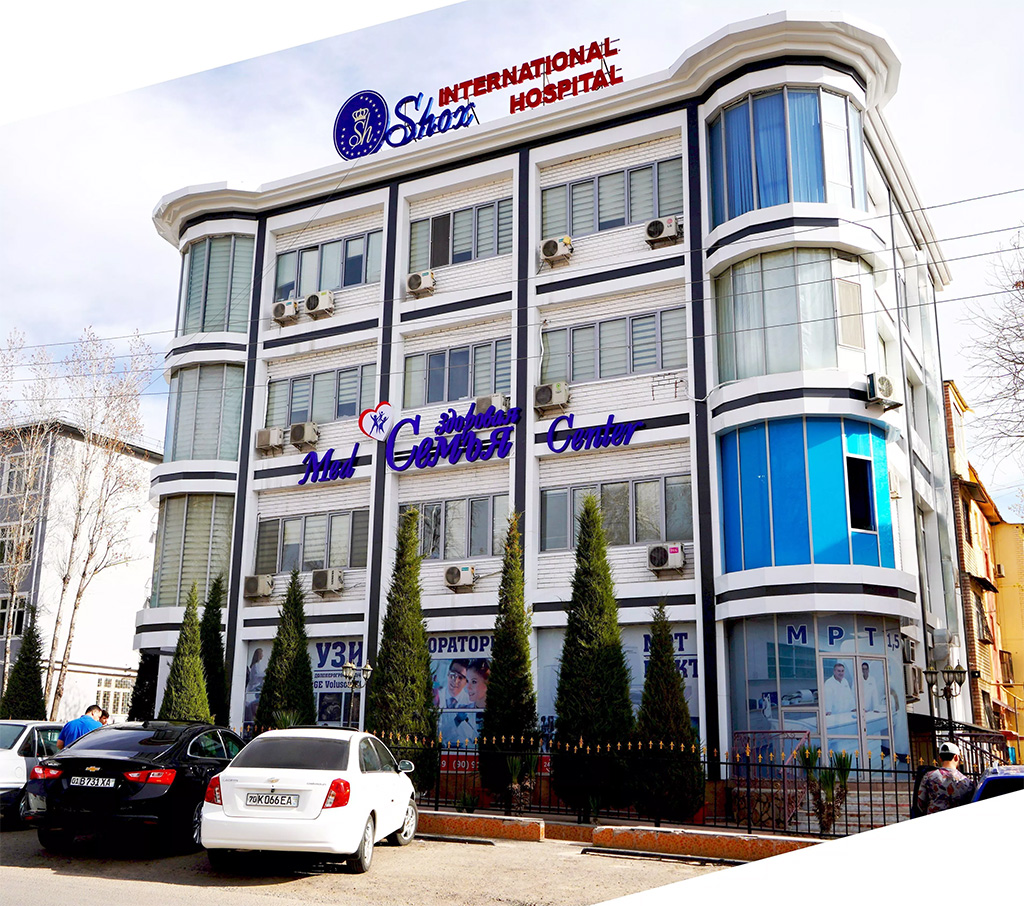
31A Maqsud Shayxzoda Street
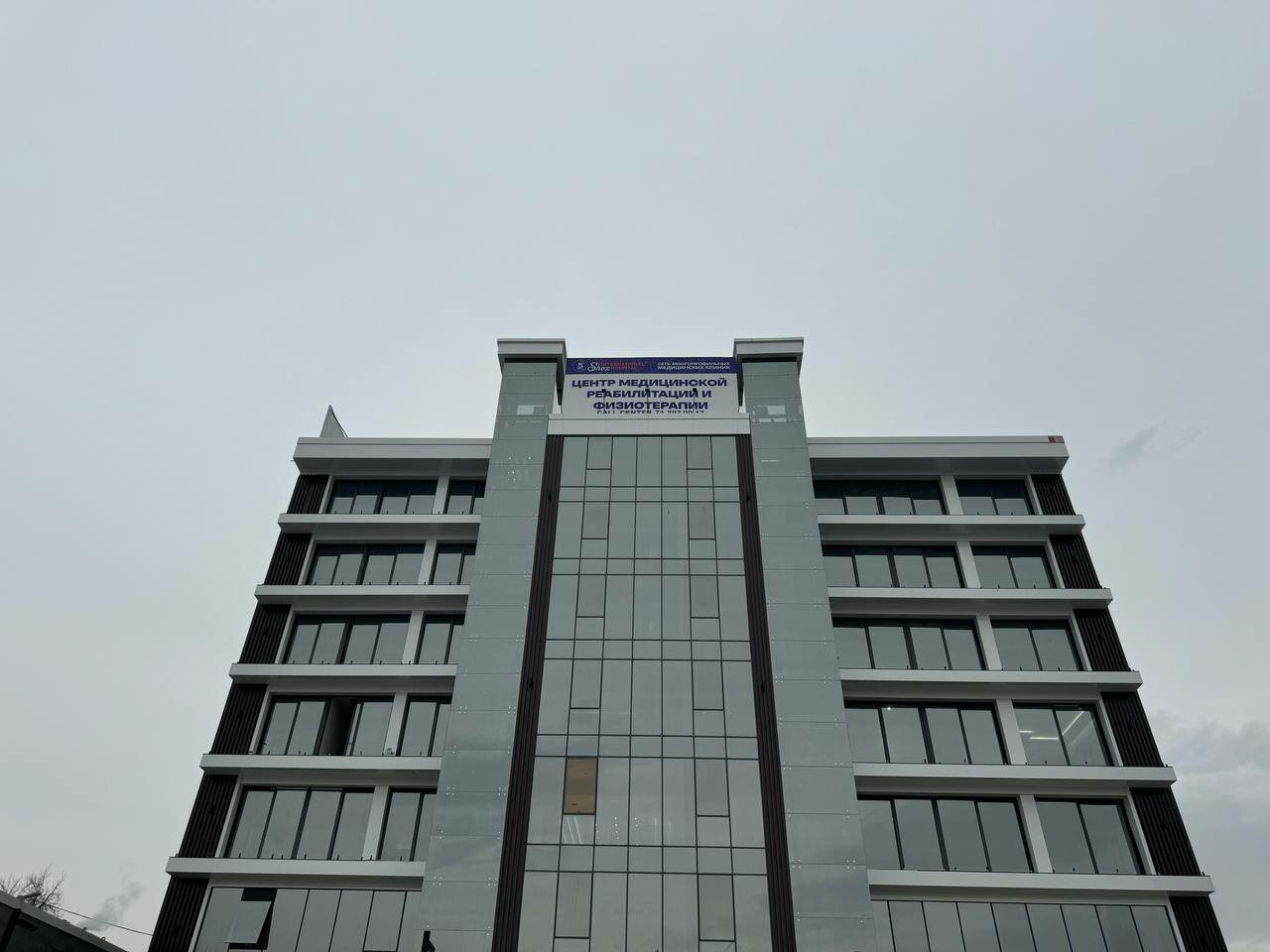
Junariq Mahalla, 9th Choshtepa Passage, 110
Prices are based on current information supplied by clinics and may be updated.
Rules of preparation for the ALAT study Blood collection is preferably carried out in the morning on an empty stomach, after 8-14 hours of the night fasting period (you can drink water), it is permissible in the afternoon 4 hours after a light meal. On the eve of the study, it is necessary to exclude increased psychoemotional and physical activity (sports training), alcohol intake.
The interpretation of the research results contains information for the attending physician and is not a diagnosis. The information in this section cannot be used for self-diagnosis and self-medication. An accurate diagnosis is made by a doctor using both the results of this examination and the necessary information from other sources: anamnesis, results of other examinations, etc. Units of measurement: Units/l. Reference values Age AlAT, Units/l < 5 days < 49 5 days - 6 months < 56 6-12 months < 54 1-3 years < 33 3 years – 6 years < 29 6-12 years old < 39 Men Women 12 – 17 years old < 27 < 24 > 17 years old < 41 < 31 Interpretation of the results of the AlAT concentration study Increasing the values Necrosis of liver cells of any etiology (viral hepatitis, toxic liver damage, etc.). Shock, hypoxia (for example, asthmatic condition). Sincere insufficiency. Extensive trauma. Cirrhosis of the liver. Mechanical jaundice. Liver cancer (primary and metastatic). Extensive myocardial infarction. Myocarditis. Myositis. Myodystrophy. Fatty hepatosis. Chronic alcoholism. Severe pancreatitis. Severe burns. Hemolytic diseases (sometimes). Preeclampsia. Filariasis. Rare metabolic diseases (lysosomal acid lipase deficiency, Wilson-Konovalov disease, Gaucher disease, etc.). Hepatotoxic drugs, drugs that cause cholestasis, many other drugs, the use of which can increase the level of the enzyme, usually temporary, but in some cases indicating a hepatotoxic effect (including antibiotics, chemotherapy drugs anesthesia, etc.). Intramuscular injections (a slight increase in the level of the enzyme).
Loading your saved response…