

C3 Component of the complement system (Complement Components C3)
Best available price
Available clinics2
Medical information
Important preparation, use and interpretation guidance.
Description
The complement system (from Latin. complement-tum is a term introduced in 1899 by P. Ehrlich and J. Morgenroth. C3 is the central component of the complement system, a protein of the acute phase of inflammation. This is an essential part of the defense system against infections. It is formed in the liver, macrophages, fibroblasts, lymphoid tissue and skin. Therefore, a violation of their normal state significantly affects this complement. C3 makes up about 70% of all complement proteins. The molecular weight is about 180,000 Da. The C3 component of complement is involved in both the classical and alternative ways of activating the complement system. In the classical pathway, its formation is activated by IgG and IgM, in the alternative pathway by toxins, including endotoxin, and IgA. The rate of synthesis is approximately 1 mg/kg of body weight per hour. The rate of catabolism is about 2% of its total plasma volume in one hour, with a half-life of 60-80 hours. Activation of C3 promotes the release of histamine from mast cells and platelets, supports phagocytosis, increases vascular wall permeability, enhances smooth muscle contraction, leukocyte chemotaxis and the combination of antibodies with antigen; plays an important role in the development of autoimmune diseases. The content of C3 decreases due to its consumption in the classical and alternative ways of activating the complement system.
Preparation
Blood collection is preferably carried out in the morning on an empty stomach, after 8-14 hours of the night fasting period (you can drink water), it is permissible in the afternoon 4 hours after a light meal. On the eve of the study, it is necessary to exclude increased psychoemotional and physical activity (sports training), alcohol intake, and smoking an hour before the study.
When it is used
Suspected genetic complement deficiency. Dynamic monitoring of patients with systemic autoimmune diseases. In the diagnosis of diseases: systemic lupus erythematosus (SLE), rheumatoid vasculitis, subacute bacterial endocarditis, shunt nephritis, post-streptococcal glomerulonephritis, mesangiocapillary glomerulonephritis, rheumatic polymyalgia, mixed cryoglobulinemia, gram-negative bacteremic shock (early diagnosis), gram-positive bacteremia, disseminated cytomegalovirus infection.
Understanding results
The interpretation of the research results contains information for the attending physician and is not a diagnosis. The information in this section cannot be used for self-diagnosis and self-medication. An accurate diagnosis is made by a doctor using both the results of this examination and the necessary information from other sources: anamnesis, results of other examinations, etc. Units of measurement in the INVITRO laboratory: g/l. Reference values: Women 1 – 14 years 0.82 – 1.73 g/l 14 – 80 years 0.83 – 1.93 Men 1 – 14 years 0.80 – 1.70 g/l 14 – 80 years 0.82 – 1.85 g/L Increased values of C3. Acute phase reaction: rheumatoid arthritis, rheumatism; diabetes mellitus; myocardial infarction; obstructive jaundice (viral hepatitis); ulcerative colitis; tumors; goiter; bacterial infection; pneumococcal pneumonia; sarcoidosis; amyloidosis; thyroiditis; inflammatory bowel diseases; typhus; pneumococcal pneumonia. Decrease in C3 values: congenital deficiency of C3, regulatory proteins, factors H and I. acquired deficiency: AIDS; autoimmune hemolytic anemia; acute glomerulonephritis; disseminated intravascular coagulation syndrome; systemic lupus erythematosus; malaria; starvation; increased consumption in various inflammatory and infectious diseases: subacute bacterial endocarditis, viremia, parasitemia and bacterial sepsis; partial lipodystrophy or membranous proliferative glomerulonephritis in the presence of autoantibodies of C3-nephritic factor; severe liver damage; the use of drugs: cyclophosphamide (in patients with SLE), danazol.
Clinics and prices
Compare branches offering this service by price and open the clinic information you need.

142 500 sum

159 600 sum
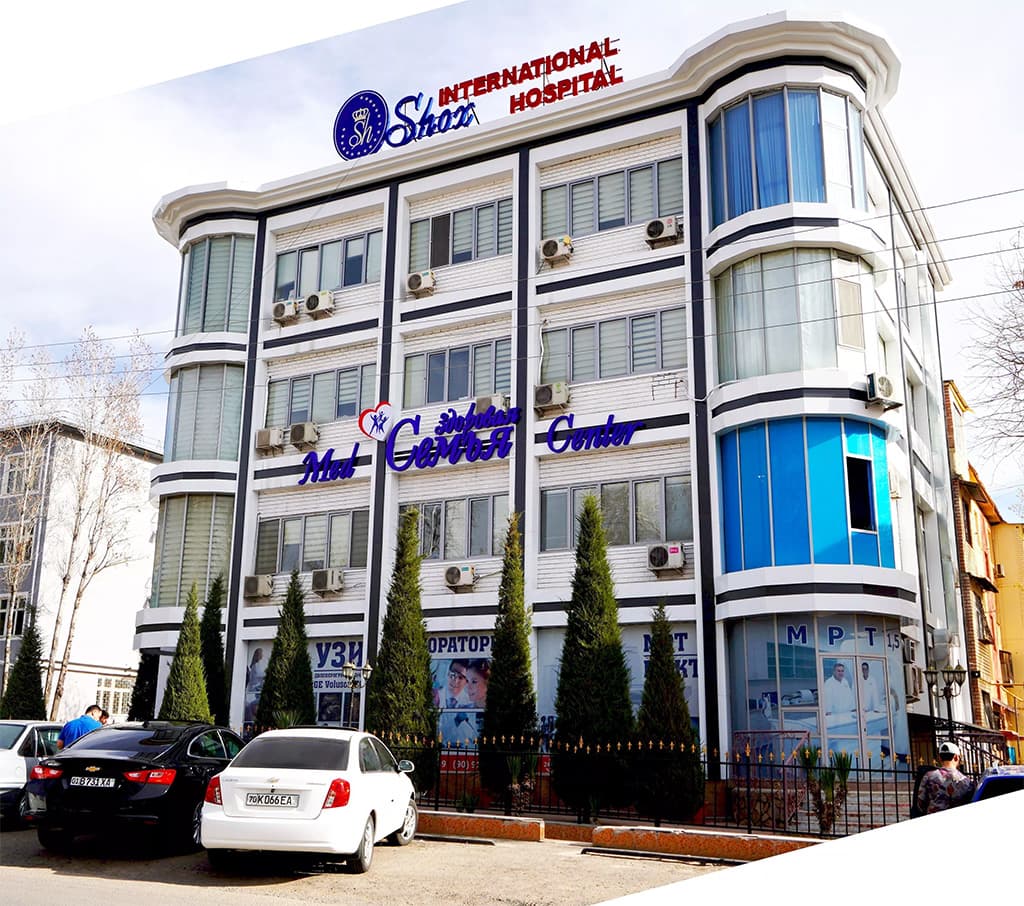
159 600 sum
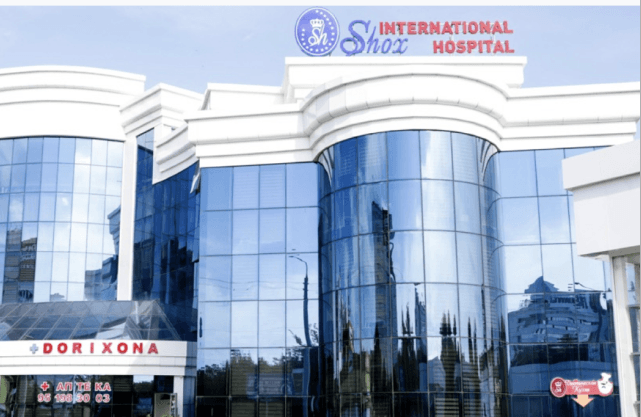
Branch of Shoxmed Center
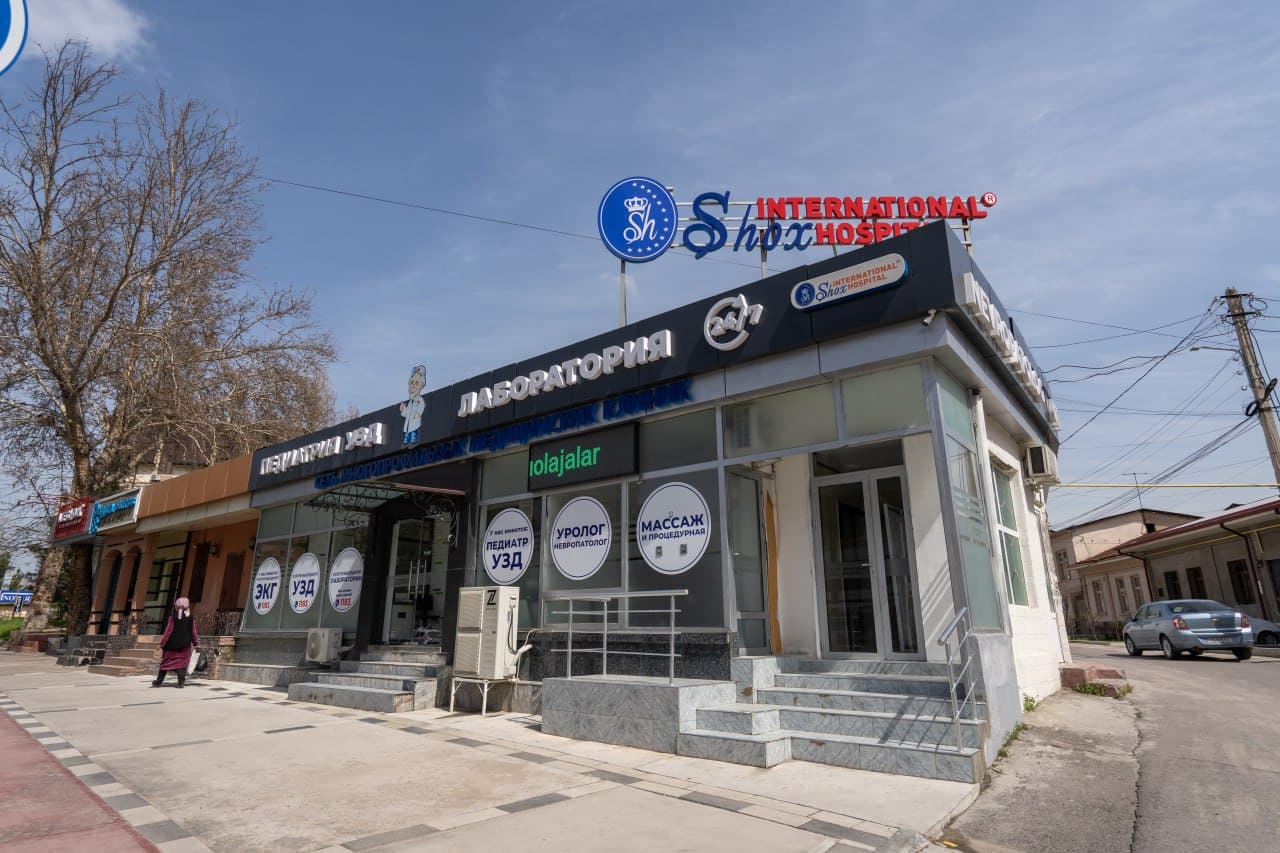
SHOX INTERNATIONAL HOSPITAL
SHOX INTERNATIONAL HOSPITAL
16 active clinic offers159 600 sum
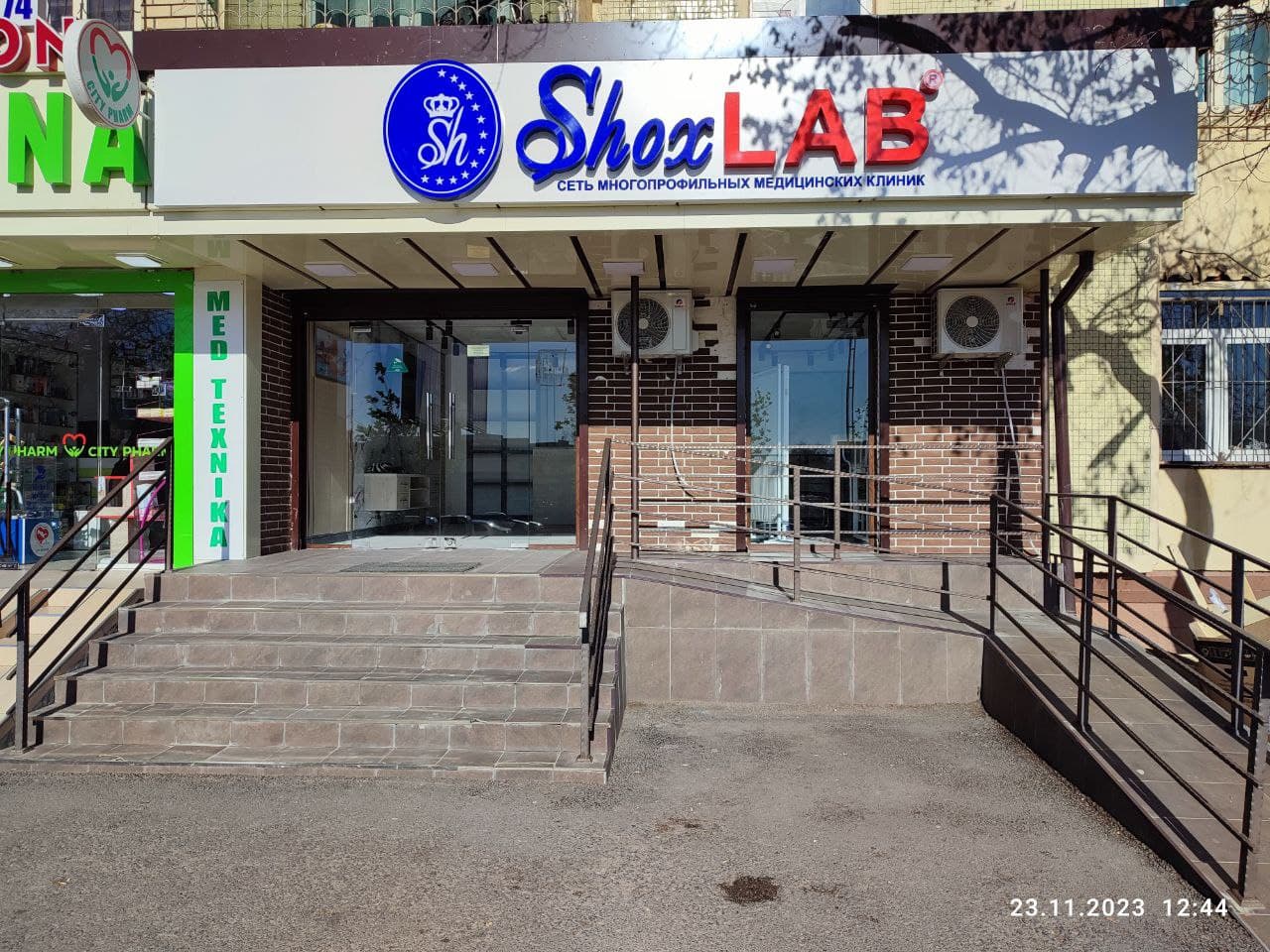
159 600 sum
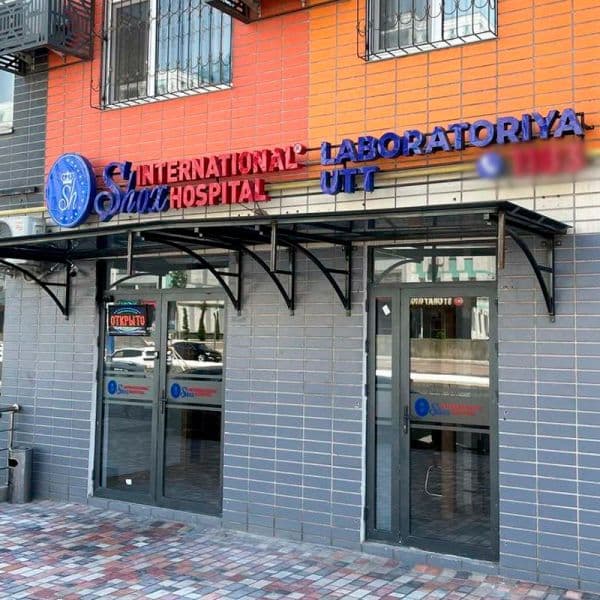
159 600 sum
159 600 sum
Prices are based on current information supplied by clinics and may be updated.