

Vitamin B6, Pyridoxal-5-phosphate, Plasma (Vitamin B6, Pyridoxal-5-Phosphate, PLP)
Best available price
Available clinics2
Medical information
Important preparation, use and interpretation guidance.
Description
Vitamin B6 is a water–soluble vitamin having different forms: pyridoxine, pyridoxamine, pyridoxal and their 5’-phosphate esters. Of these, pyridoxal-5-phosphate, acting as a cofactor of many B6-dependent enzymatic reactions, is the main biologically active and quantitatively predominant form in blood plasma. Vitamin B6, as a coenzyme, is involved in more than a hundred enzymatic reactions of protein, carbohydrate and lipid metabolism. It is especially important for the metabolism of amino acids, including the formation of neurotransmitters such as dopamine, serotonin, glycine, glutamate, gamma-aminobutyrate and many other substances necessary for the functioning of the nervous system. Vitamin B-dependent reactions occur in heme biosynthesis, in the metabolism of organic acids, glucose, sphingolipids, and fatty acids. In clinical practice, B vitamins are traditionally used in the treatment of various neurological diseases. Vitamin B6 deficiency primarily causes a violation of protein metabolism, which leads to a negative nitrogen balance, hyperaminoacidemia, aminoaciduria and oxaluria due to a violation of glyoxalic acid metabolism. This is the only vitamin with a deficiency of which epileptiform seizures develop, since the enzymatic decarboxylation of glutamic acid dependent on it forms γ-aminobutyric acid, which is a mediator of inhibition in the central nervous system. Pyridoxal-5-phosphate deficiency is susceptible to enzymes involved in tryptophan metabolism and serotonin synthesis, a metabolic disorder that leads to increased formation of metabolites such as xanthurenic acid, which prevents insulinogenesis, which can cause hyperglycemia. Pyridoxine-dependent enzymes accompany the synthesis of niacin and serotonin from tryptophan, as well as the cleavage of excess homocysteine. Pyridoxal phosphate is also needed for the construction of phosphorylase molecules that catalyze the cleavage of glycogen to glucose-1-phosphate, for the synthesis of the precursor of heme – γ-aminolevulinic acid, for the conversion of linoleic acid into arachidonic acid. Thus, vitamin B6 is an important component of general cellular metabolism, important for protein, carbohydrate and fat metabolism, hemoglobin synthesis processes, and the normal functioning of the central nervous system.
Preparation
Rules of preparation for the study of Vitamin B6, pyridoxal-5-phosphate in plasma Blood collection is carried out in the morning on an empty stomach (after an 8-12-hour period of fasting, you can drink water). Otherwise, follow the instructions of the referring doctor. Note When conducting a study to diagnose hypophosphatasia, it is not recommended to take vitamin supplements for a week before taking blood for analysis in order to avoid a false positive result.
When it is used
In which cases the level of Vitamin B6 (pyridoxal-5-phosphate) in blood plasma is determined: Assessment of the status of vitamin B6 and the success of therapy with its use; Diagnosis of hypophosphatasia.
Understanding results
The interpretation of the research results contains information for the attending physician and is not a diagnosis. The information in this section cannot be used for self-diagnosis and self-medication. An accurate diagnosis is made by a doctor using both the results of this examination and the necessary information from other sources: anamnesis, results of other examinations, etc. Interpretation of the results of the study on Vitamin B6, pyridoxal-5-phosphate in plasma Units of measurement: ng/ml . Alternative units: nmol/L. Unit conversion: ng/ml * 4,046 => nmol/L. Reference values: 5-50 ng/ml. Increasing the values Taking vitamin supplements. Hypophosphatasia. Lowering values Chronic alcoholism. Malabsorption. Uremia. Convulsions of newborns. Malnutrition. Industrial hazards (hydrazine derivatives). A normal pregnancy. Diabetes of pregnant women. Pellagra. Dialysis. Asthma. Carpal tunnel syndrome. Preeclamptic edema. Acute myocardial infarction. The use of drugs: amiodarone, anticonvulsants (carbamazepine, phenobarbital, phenytoin, primidone), cycloserine, disulfiram, ethanol (alcoholics), hydralazine, isoniazid, levodopa, oral contraceptives (plasma levels only), penicillamine, theophylline.
Clinics and prices
Compare branches offering this service by price and open the clinic information you need.

239 400 sum
239 400 sum

Branch of Shoxmed Center
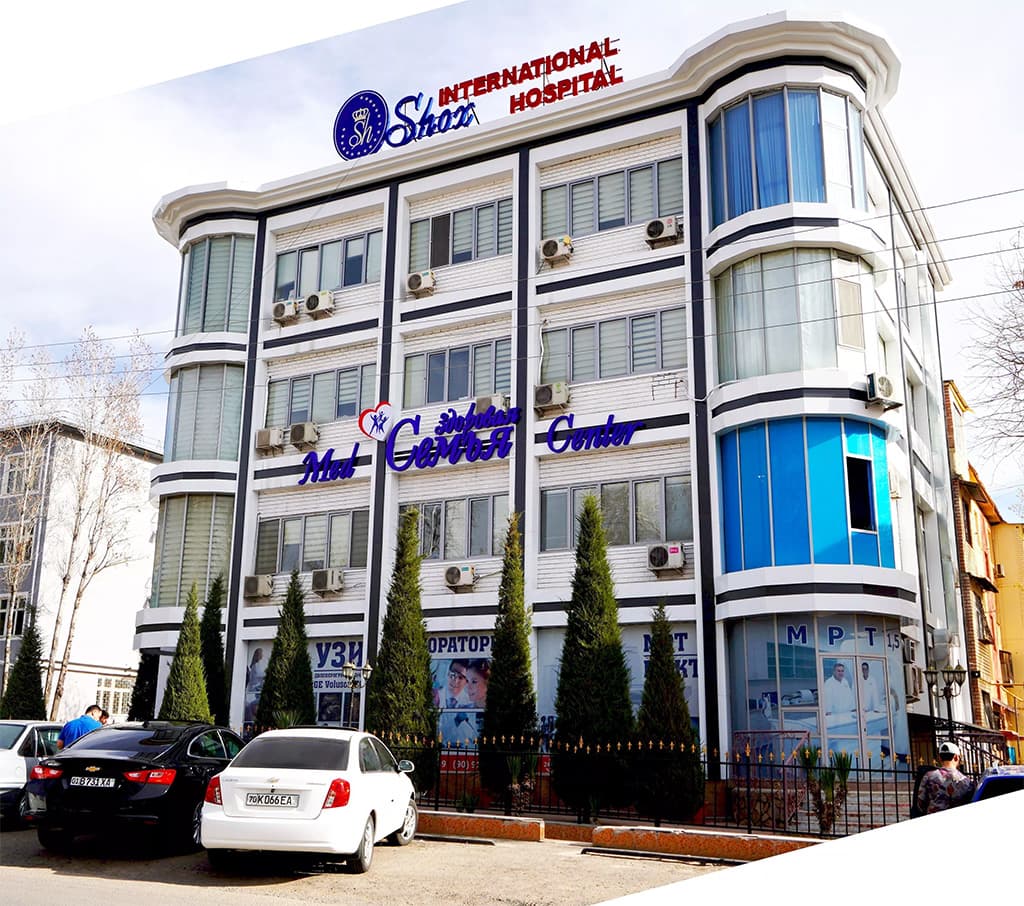
SHOX INTERNATIONAL HOSPITAL
SHOX INTERNATIONAL HOSPITAL
16 active clinic offers239 400 sum

239 400 sum

239 400 sum

239 400 sum

332 500 sum
Prices are based on current information supplied by clinics and may be updated.